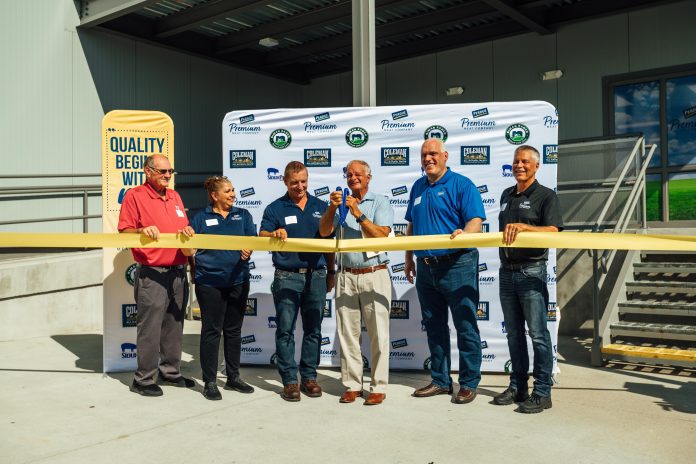
Perdue Premium Meat Company (PPMC), a subsidiary of Perdue Farms, has officially opened its renovated 225,000-square-foot case-ready pork facility in Sioux City, Iowa. The project represents a $60 million investment and the creation of more than 100 new jobs, reinforcing Sioux City’s role as a hub for protein production.
“This is more than a renovated facility – it’s a long-term investment in the people, economy, and future of Sioux City,” said Gary Malenke, Senior Vice President of Operations at PPMC.
Built for Flexibility and Growth
The facility is designed to adapt to changing consumer demands for convenience, quality, and sustainability. It can:
-
Deliver four distinct case-ready packaging formats, providing retailers and consumers more choice.
-
Blend trim and debone hams and loins, enhancing efficiency and optimizing carcass utilization.
-
Absorb case-ready pork production previously handled at sister plants across Iowa, consolidating operations for greater consistency and output.
Safety and Technology at the Forefront
Since its soft launch in April, the Sioux City facility has reported zero safety incidents. Advanced food and workplace safety technologies have been integrated to ensure higher standards of performance, employee wellbeing, and consumer trust.
Strengthening Premium Pork Brands
The plant will play a central role in supporting Perdue’s premium pork portfolio, including Niman Ranch and Coleman All Natural Meats, while also producing private-label products. These brands are positioned to meet the growing consumer appetite for all-natural, sustainably raised pork, as well as convenient case-ready options with extended shelf life.
Swine Industry Impact
Perdue’s investment underscores a larger industry trend: the push toward value-added, branded pork products. With consumers increasingly prioritizing transparency, convenience, and premium quality, processors are expanding beyond commodity pork to develop products that resonate in both retail and foodservice.
For producers, this move highlights the importance of aligning with programs and supply chains that emphasize sustainability, natural claims, and animal welfare — the attributes shaping pork demand today and into the future.