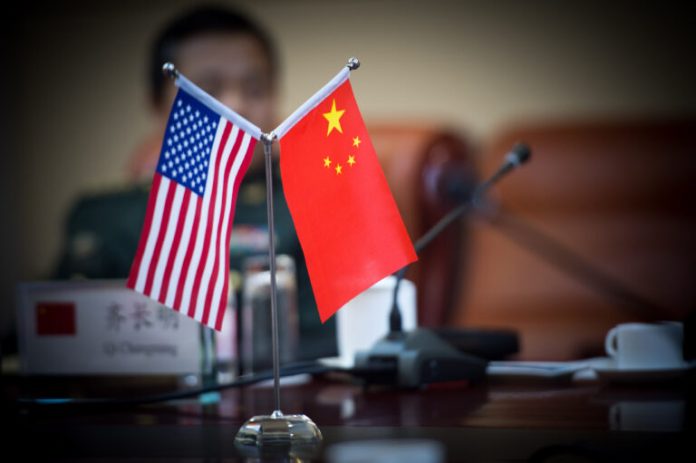
Recent global trade discussions are sending a cautiously optimistic signal for U.S. agriculture—and for the pork industry, it’s one worth watching closely.
China has indicated openness to increasing purchases of U.S. agricultural products beyond traditional commodities, expanding the conversation into broader protein markets. While no formal commitments have been finalized, the tone suggests a potential shift toward more stable trade engagement between the two countries.
A Shift That Could Matter for Pork
For years, trade dialogue with China has largely centered around soybeans. What’s notable in this moment is the signal that additional categories—including protein—could play a larger role moving forward.
For the swine industry, that shift carries weight.
China remains one of the most influential players in global pork demand. Even small changes in buying behavior can ripple across pricing, exports, and overall market confidence.
If this openness translates into action, it could:
-
Strengthen export demand for U.S. pork
-
Support pricing stability across the value chain
-
Reinforce the role of exports in producer profitability
Reading Between the Lines
This isn’t a deal—it’s a signal.
And in today’s environment, signals matter.
China continues to manage internal production challenges, shifting herd dynamics, and feed economics. At the same time, global competition for protein markets remains intense, with multiple exporting countries positioned to capture demand.
That means any movement toward increased U.S. imports will be strategic, measured, and influenced by both economics and geopolitics.
What Producers Should Be Thinking About
For producers, this moment reinforces a bigger reality:
The industry is no longer just local or even national—it’s global.
Market direction is increasingly influenced by:
-
Trade relationships
-
Export access
-
Global protein supply and demand balance
The opportunity is real—but so is the volatility that comes with it.
Swine Web Perspective
At a high level, this development fits into a broader trend we’re seeing across the industry—where export markets are becoming more central to long-term stability.
Producers and industry leaders who understand and position around these global signals will be better equipped to navigate margin pressure, variability, and shifting demand cycles.
Bottom Line
China’s openness to increasing U.S. agricultural purchases is an encouraging development—but it remains an early-stage signal.
For the pork industry, it’s not about reacting—it’s about recognizing direction.
Global demand continues to be a key driver of opportunity.
And staying aligned with that reality will be critical as the industry moves forward.