When Muyuan Foodstuffs shows up in Brazil’s grain heartland, it’s not a routine visit.
It’s a signal.
The company—China’s largest pork producer—recently sent a delegation to Lucas do Rio Verde, located in Mato Grosso, one of the most productive grain regions in the world.
At first glance, the visit focused on grain sourcing.
But the real story runs deeper.
From Input Buyer to System Builder
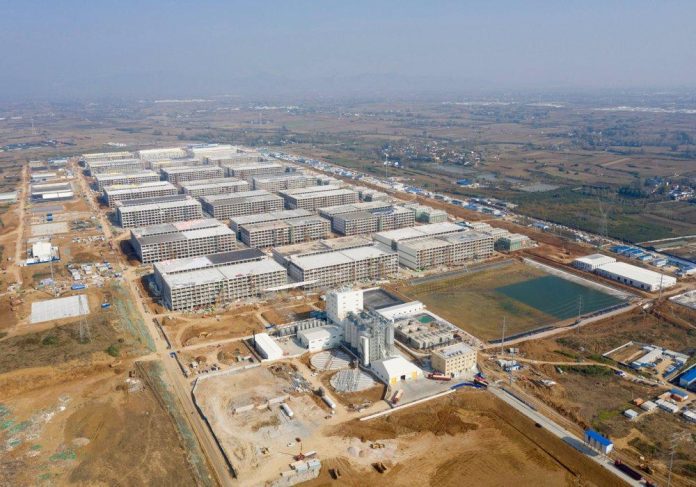
Muyuan has built its success on full vertical integration:
- Feed
- Production
- Processing
Now, it’s evaluating whether that same model can be extended internationally—starting with Brazil.
The discussions in Mato Grosso weren’t limited to grain.
They included:
- Pig production
- Processing infrastructure
- Long-term investment in the pork value chain
This represents a shift from:
sourcing inputs globally
to
building production systems globally
Why Brazil—and Why Now?
The answer is simple: feed, scale, and efficiency.
Mato Grosso produces more than 100 million tonnes of grain annually. In regions like Lucas do Rio Verde, roughly half of that output sits within a tight geographic radius—reducing transportation costs and improving supply reliability.
For a company like Muyuan, that’s not just attractive.
It’s foundational.
Brazil also offers:
- Established infrastructure
- Existing protein players like BRF
- A regulatory environment increasingly open to international investment
The Pressure at Home
This move doesn’t happen in isolation.
China’s pork sector is currently navigating:
- Oversupply
- Weak consumer demand
- Margin compression
In that environment, the next phase of growth isn’t just about producing more.
It’s about producing differently—and potentially, producing elsewhere.
A New Phase of Global Competition
If Muyuan moves forward, the implications are significant.
Brazil wouldn’t just gain investment.
It would gain:
- One of the most efficient production systems in the world
- A new competitive benchmark for scale and integration
- A player capable of reshaping cost structures
Swine Web Take
This isn’t just a Brazil story.
It’s a global signal.
The future of pork production will be shaped by companies that:
- Control inputs
- Integrate systems
- Position themselves geographically
For North American producers, this is the shift to watch.
Because global competition is no longer defined only by exports—
It’s increasingly defined by where the most efficient production systems are being built next.