Key takeaways

Optimize intentional air flow and air quality by securing curtains, closing louvers and covering fans that don’t operate during the winter.
-
Clean and inspect all equipment to keep it running at peak performance.
-
Set the barn temperature to the correct level and leave it, minimizing adjustments that can impact herd health.
-
Make winterizing barns a regular routine.

Why Winter Management Matters for Pig Barns
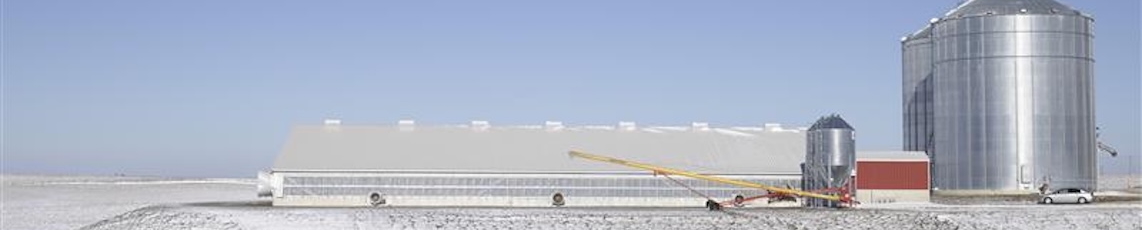
As winter approaches, it’s important to prepare your barns for cooler temperatures to ensure animals transition properly. Pigs that are stressed due to environmental situations are more prone to disease and are less efficient in growth performanceOpens in a new window.1 Controlling the barn environment during seasonal fluctuations is essential for ensuring pig wellbeing. Consider the following recommendations.
When to Start Preparing for Winter
Colder temperatures can often sneak up on us, making preparation extra important. To stay ahead of seasonal change and be confident that barns are ready, you should start preparing barns, monitoring ventilation and temperatures and updating software systems in late summer and early fall.
Livestock Barn Winter Preparation Checklist
Helpful tips to keep top of mind as you begin preparing for seasonal fluctuations.
- Seal unwanted cracks and crevices for appropriate air flow
- Seal curtains and cap summer fans to create static pressure
- Check inlets like doors and windows and seal if needed
- Clean fan blades
- Ensure heaters and thermostats are working properly
- Make sure environmental control system software is up to date downloaded.
- Adjust barn temperatures to animal size
- Insulate water lines
Button Up Facilities
It’s important to weatherproof barns and make sure things are buttoned up properly. Of course, no barn is airtight, but it’s important to seal unwanted cracks and crevices to ensure air is entering the barn in the way it’s supposed to – through vents and fans.
For barns that are mechanically ventilated or curtained, the University of Minnesota ExtensionOpens in a new window recommends having a slight vacuum or negative static pressure in the barn when only the continuous running exhaust fans are on. It is further recommended that each barn has a manometer to monitor static pressure.
To accomplish this, curtains should be sealed as tight as possible as well as capping fans that only run during the summer. This will help seal the barn to create the desired vacuum.
In addition to checking ventilation sources, check other air inlets such as doors, windows and other openings. This will help button up the barn for better winter airflow and, as an added benefit, help keep rodents out.
Do Some Fall Cleaning
Just like spring cleaning, addressing certain tasks in the fall will be beneficial.
- Take a walk around the barn and look at fans and other inlet areas. Be sure to clean fan blades and louvers that may be covered with excess dust.
- Check that equipment is working properly. This means not only fans, but also heaters for piglets or thermostats that control larger portions of the barn.
- Check environmental control systems on a regular basis to ensure the latest software updates have been downloaded.
Know Your Temperatures
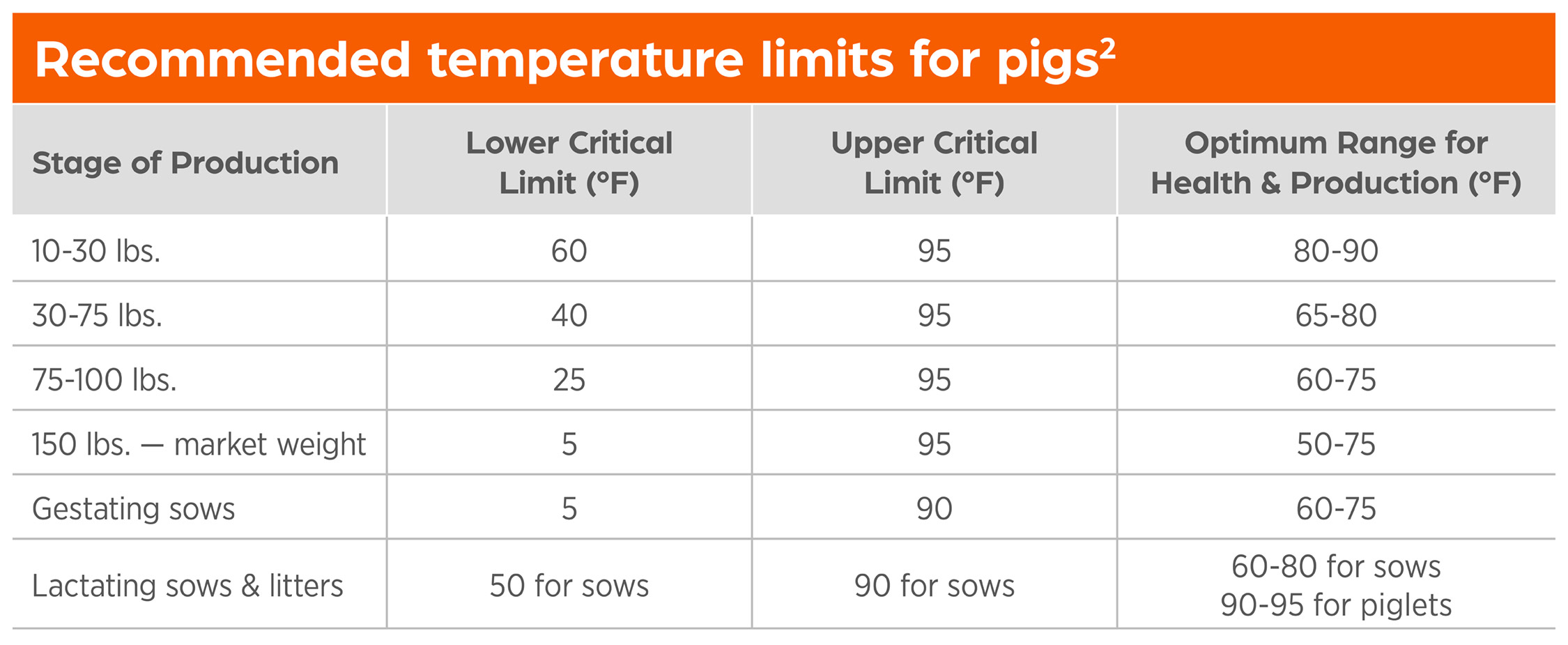
Once the barn is winterized, take time to properly adjust the temperature. Understanding the correct temperature for the size of the animal being housed in the barn can help keep animals healthy throughout the year. Sows prefer a cooler temperature while baby pigs like it nice and warm.
Pigs don’t like variances in temperature and prefer a consistent environment. Use this table as a guide to set barn temperature, remembering that the barn materials (concrete, plastic, or metal) can impact the temperature that the pigs actually feel.
Don’t Let Mother Nature Surprise You
Schedule winterizing tasks just as you schedule other critical maintenance throughout the year. Putting off the work could lead to disease outbreaks or slowed growth rates when seasonal temperature variances and other environmental changes occur prematurely. An ounce of prevention will help ensure a healthy herd throughout the winter.