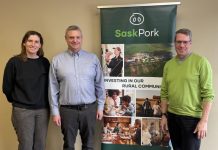
Florian Possberg, a partner with Polar Pork Farms, is emphasizing the importance of maintaining open, two-way agricultural trade across the Canada–U.S. border to ensure ongoing economic stability for North American agriculture.
Last month, the Office of the United States Trade Representative launched a 45-day public comment period to review the effectiveness and impact of the Canada-U.S.-Mexico Agreement (CUSMA). Possberg says that while the agreement currently allows zero tariffs on most agricultural products, there’s no guarantee that will remain the case in the future.
“A lot of live hogs move from Canada to the U.S.,” Possberg explains. “There are also beef cattle that move to feedlots in Texas and Oklahoma, and grains like soymeal that cross the border regularly. Not only are we trading primary products like grains and pork, but also processed goods. These long-standing trade relationships have benefited both countries for decades and need to be protected.”
Possberg notes that some nations pay tariffs as high as 15 percent to trade with the U.S.—a rate that would make it nearly impossible for North American producers to stay competitive. He believes agriculture must be recognized as an integrated system across borders.
He also acknowledged one potential area of concern: the ongoing tension around dairy trade access, an issue highlighted by former President Trump. However, Possberg hopes this won’t lead to broader negative impacts on agricultural trade.
Maintaining open trade, he says, is vital for both sides of the border — ensuring the flow of livestock, feed, and finished products that underpin the shared success of the North American agricultural economy.