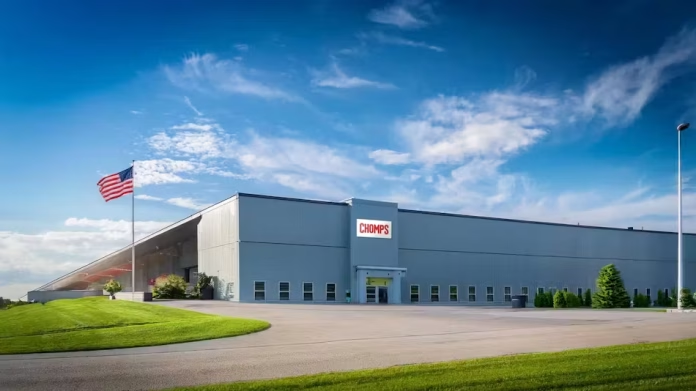
Mexico, Missouri – Chomps, the fast-growing brand behind high-protein meat sticks, has officially opened a 300,000-square-foot, state-of-the-art manufacturing facility in partnership with Western Smokehouse Partners. The new site is expected to double Chomps’ production by 2026 and create over 250 full-time jobs for the region.
The facility, located in Mexico, Missouri, reflects Chomps’ goal to meet surging consumer demand for convenient, better-for-you snacks made with grass-fed beef, venison, and turkey. Currently, Chomps produces about 2 million individually wrapped meat sticks per day—a figure expected to grow substantially with this expansion.
Why This Matters for the Livestock and Meat Industries
While Chomps’ products don’t currently use pork, the growth of high-protein snack categories affects the entire livestock supply chain. Here are a few takeaways for the swine and broader meat sectors:
-
Market Expansion & Supply Needs
Rising demand for premium meat snacks could open opportunities for other proteins, including pork, especially as companies look to innovate and differentiate in competitive snack markets. -
Labor & Processing Capacity
The creation of 250 jobs highlights ongoing needs for skilled workers in processing plants. For swine processors, this expansion underscores the importance of efficiency, automation, and location when planning future facilities. -
Consumer Expectations & Transparency
Shoppers are demanding clean-label, minimally processed products. As this trend grows, all protein sectors, including pork, may face increased pressure to supply animals raised without antibiotics or hormones for value-added snack markets. -
Regional Economic Impact
The new facility brings investment and jobs to Missouri, boosting local economies and potentially creating ripple effects in transportation, packaging, and feed supply chains.
Looking Ahead
As Chomps scales production to meet consumer demand, the facility’s launch signals broader changes in the protein landscape. For swine producers and processors, this move is worth watching—not only for competitive trends but also for opportunities to position pork in emerging high-growth markets.