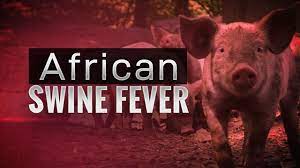
The recent detection of African Swine Fever (ASF) in wild boar in Spain is serving as a clear reminder of how quickly and unexpectedly the disease can spread — even into regions with no nearby outbreaks.
The case underscores a troubling pattern seen in several European countries, where ASF has appeared suddenly in wild boar populations far from known infected zones. These “point introductions” demonstrate that geographic distance alone does not protect a country or region from the virus.
How ASF Is Spreading Across Borders
In many of these cases, investigations suggest that long-distance spread is often linked to human activity rather than natural wildlife movement. Potential risk pathways include the illegal transport of contaminated pork or meat products, movement of animals, and the transfer of contaminated materials such as vehicles, equipment, feed, or bedding.
Activities occurring near wildlife habitats — including tourism, hunting, waste disposal, and poor biosecurity practices — can further increase the risk of introducing ASF into new areas. Once the virus reaches wild boar populations, containment becomes significantly more challenging.
Containment Focused on Rapid Response
European response strategies following these detections have focused on aggressive containment measures. These include carcass removal, restricted access to affected areas, enhanced surveillance, and rapid action to limit further spread. While these measures are critical, they also highlight how difficult ASF is to control once it becomes established in wildlife.
Key Takeaways for North America
Every new ASF introduction provides valuable lessons for pork-producing regions that remain ASF-free. For North America, the Spanish case reinforces the importance of maintaining strict biosecurity protocols, increasing awareness of indirect transmission risks, and keeping ASF prevention top of mind at all levels of the industry.
Preventing ASF entry relies heavily on human behavior — from farm-level biosecurity to border controls, transportation sanitation, and responsible handling of food and waste. Vigilance, education, and consistent biosecurity practices remain the most effective tools in protecting the swine industry from this devastating disease.
As global ASF activity continues to evolve, ongoing monitoring and preparedness are essential to safeguarding herd health and maintaining market stability.